
DR BLADES
Old iron from travels, steel from Sakai, wood from familiar gardens – forged into new blades.
Bures boahtin!
The knives 24
-
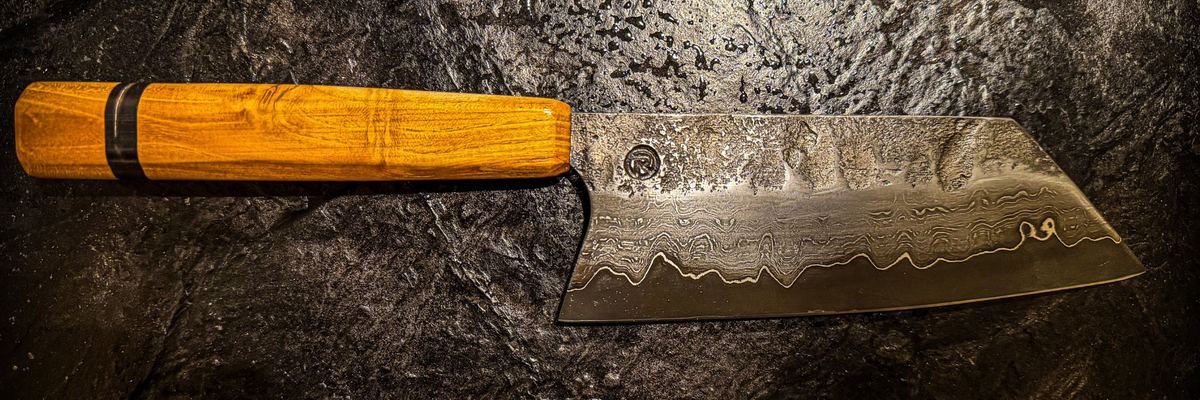
Michinori 道のり
Thirty years of road, in one blade.
Apex Ultra · san mai · wagon wheel · cherry laurel
-
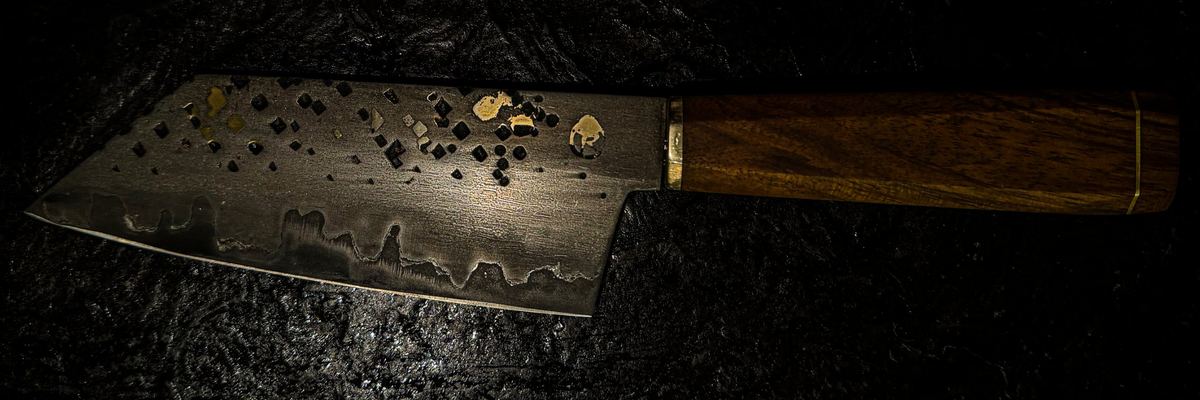
Tomoshibi 灯火
Small lights in dark steel.
Shirogami · warikomi · brass and copper · walnut
-
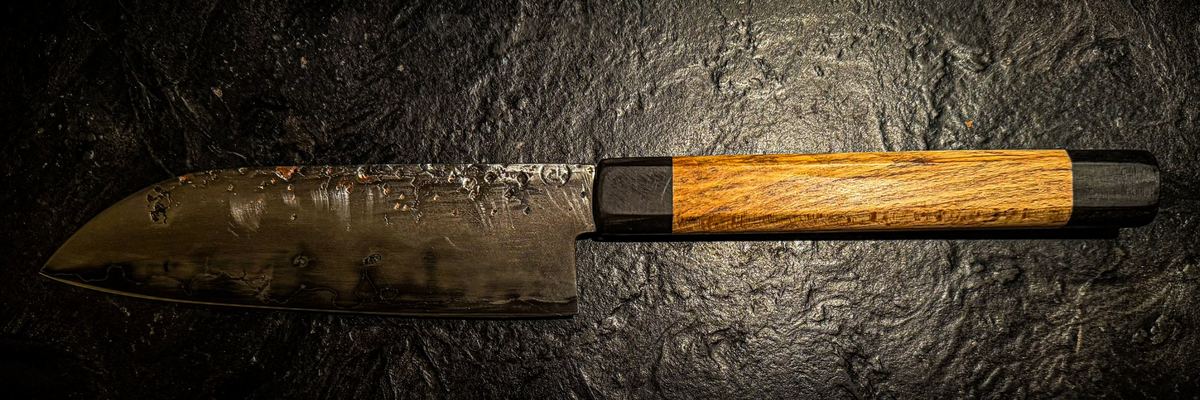
Uzumibi 埋み火
Beneath the ash, it keeps glowing.
Old file · warikomi · copper · spalted beech
-
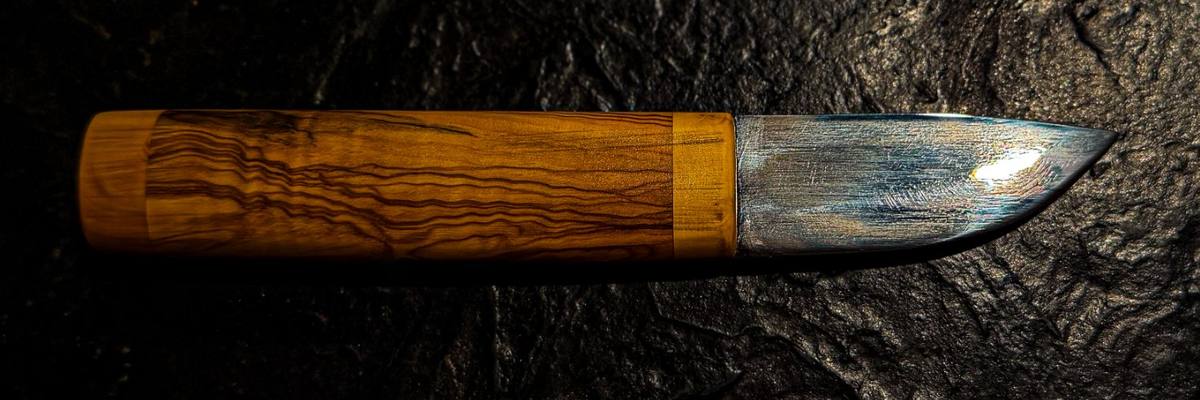
Kveik
This is where it started.
Blade by Roland · 64 HRC · Olive · Boxwood
-
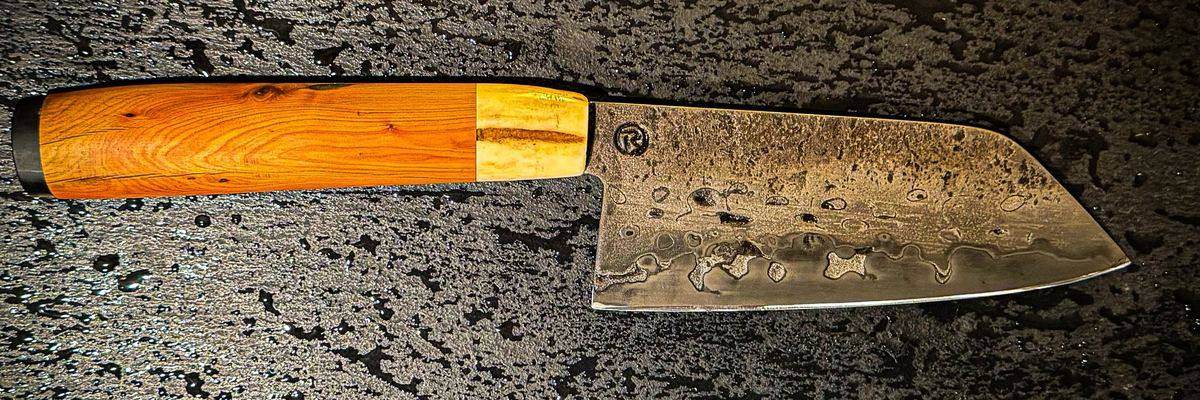
Hoshikuzu 星屑
What went wrong now sparkles.
Shirogami · mild steel · raindrops · prickly juniper
-
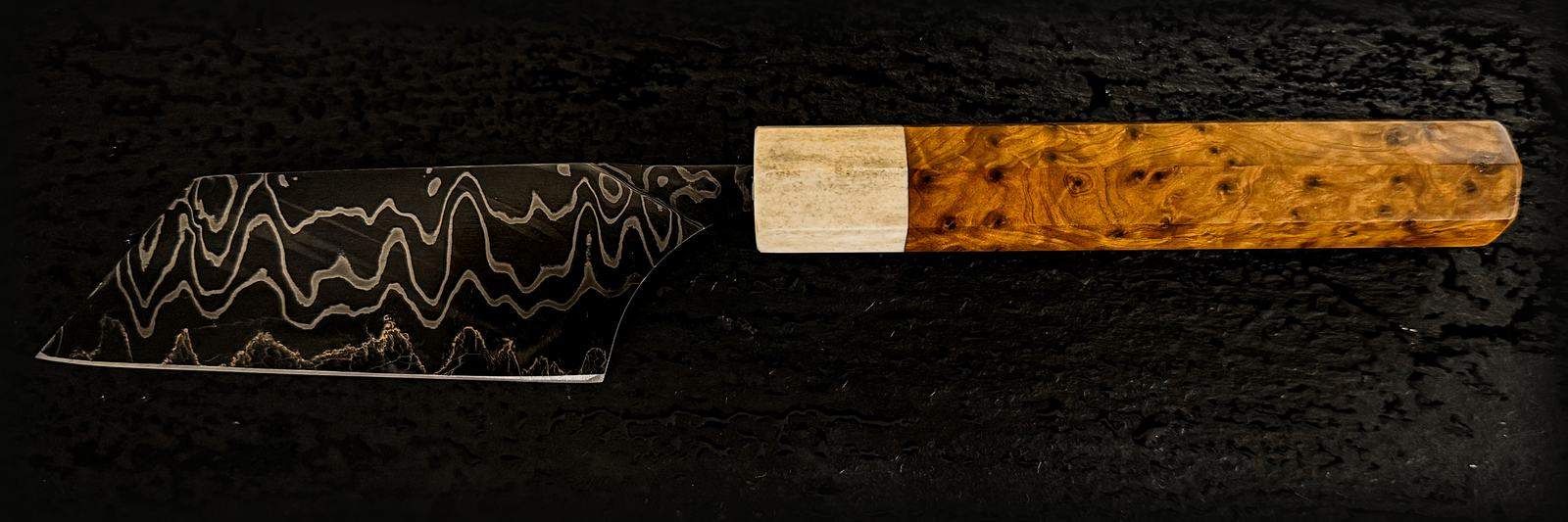
Kinmyaku 金脈
The copper found its own way.
Apex Ultra · Damascus · copper · thuja burl · antler
-
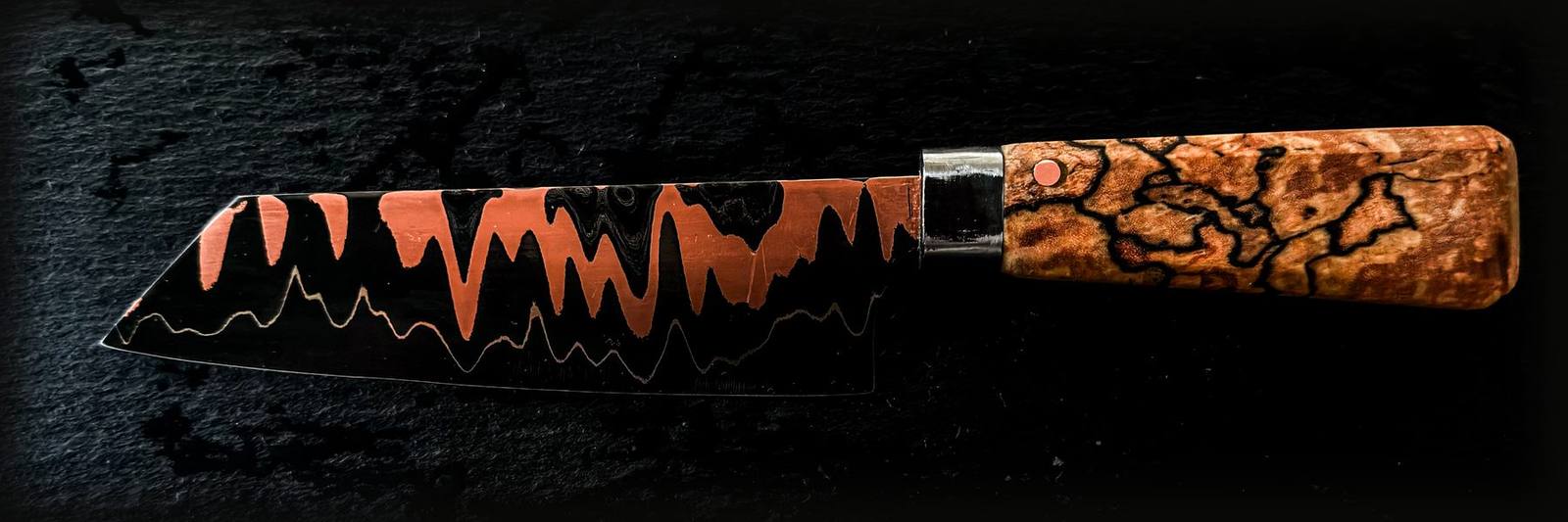
Beni-Fuji 紅富士
Where copper glows, the mountain awakens.
Apex Ultra · Damascus · copper · spalted beech · Palatinate Forest
-
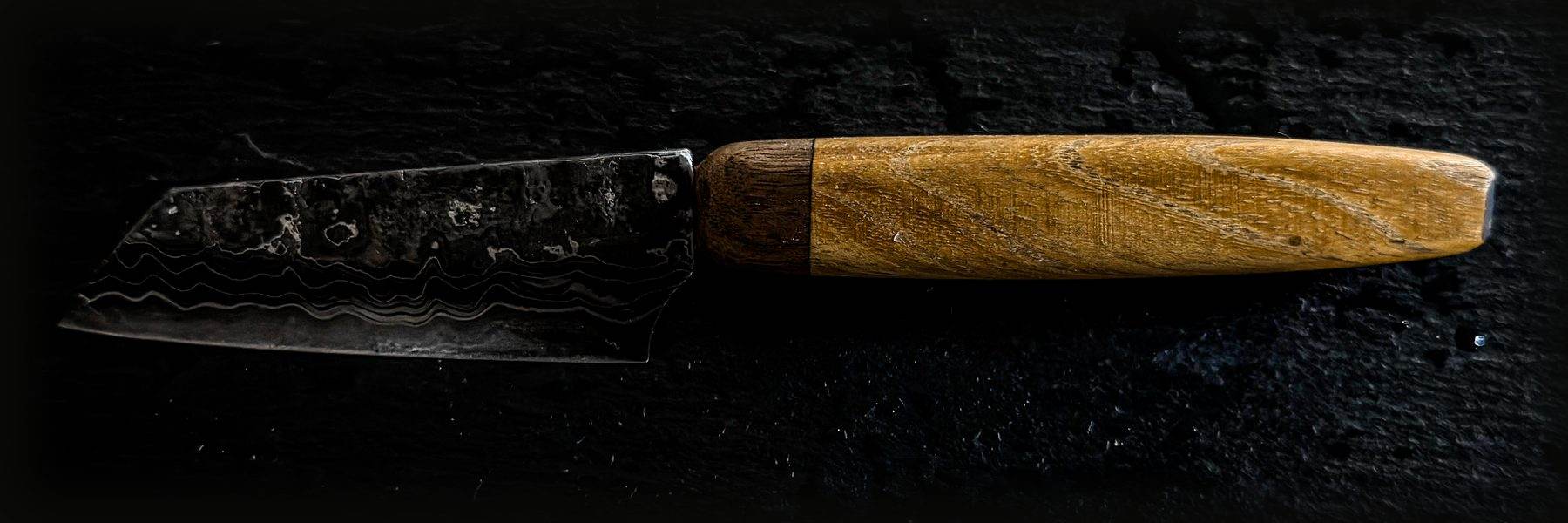
Issun-bōshi 一寸法師
Ground small, big on courage.
Apex Ultra · Damascus with nickel foil · ash · for left-handers
-
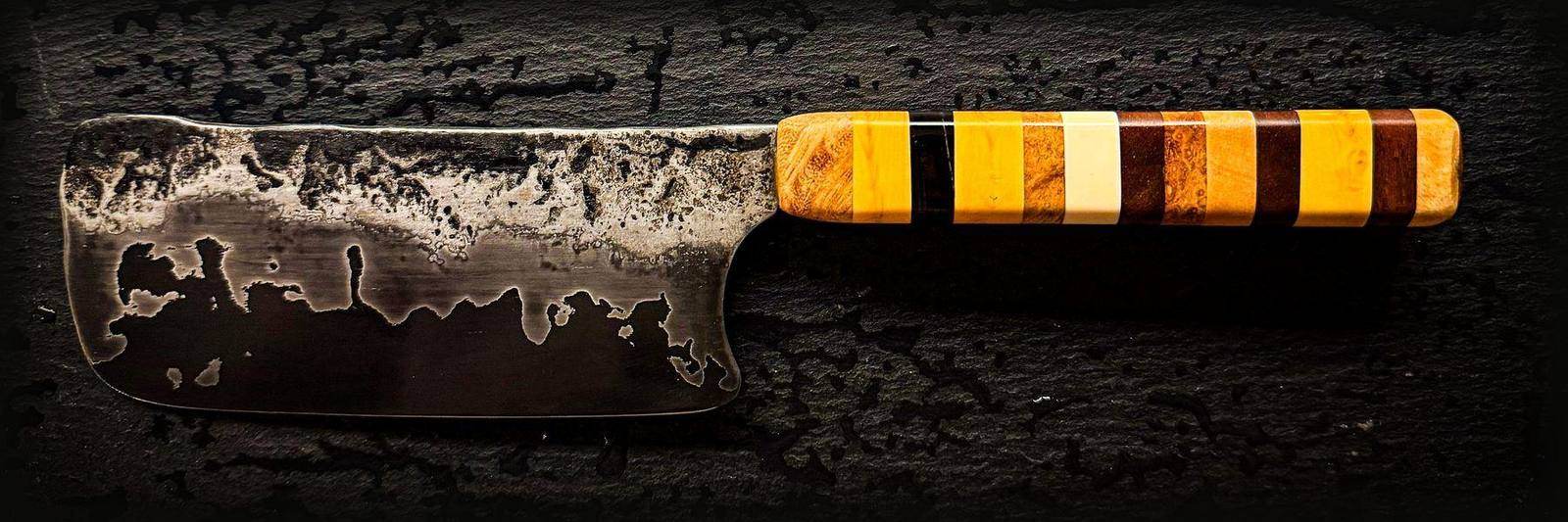
Aowa 青輪
From one wheel, two paths.
Aogami · Sakai · wagon wheel · handle from offcuts
-
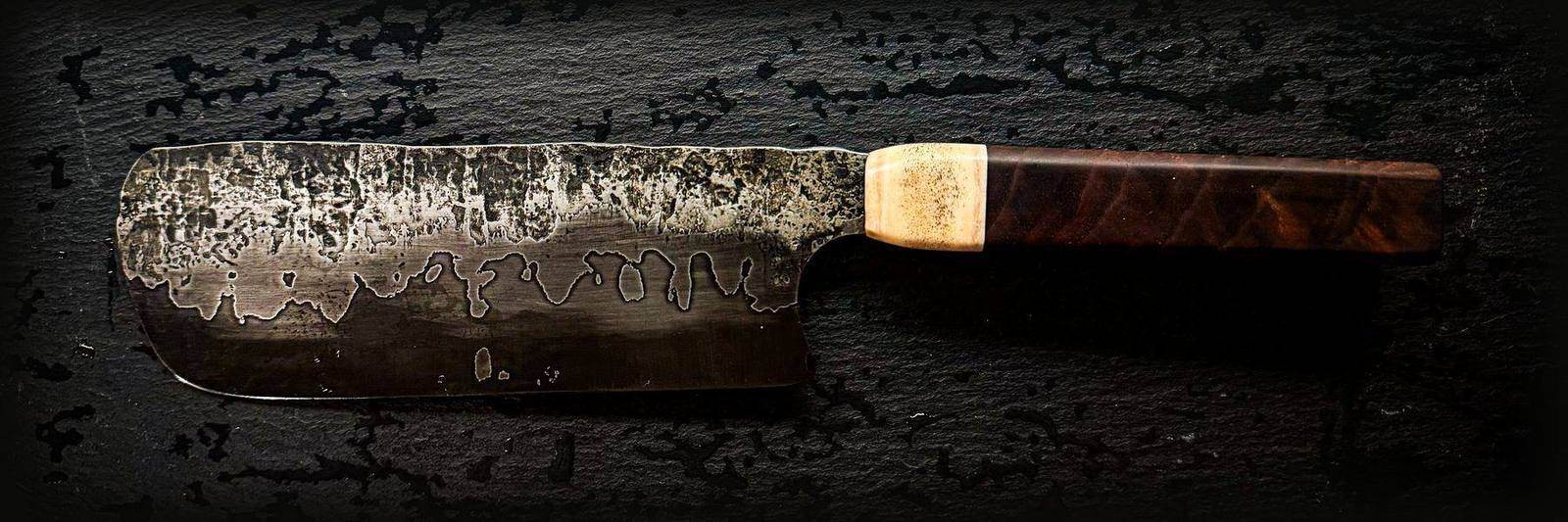
Shirowa 白輪
One wheel alone goes nowhere.
Shirogami · Sakai · wagon wheel · walnut
-
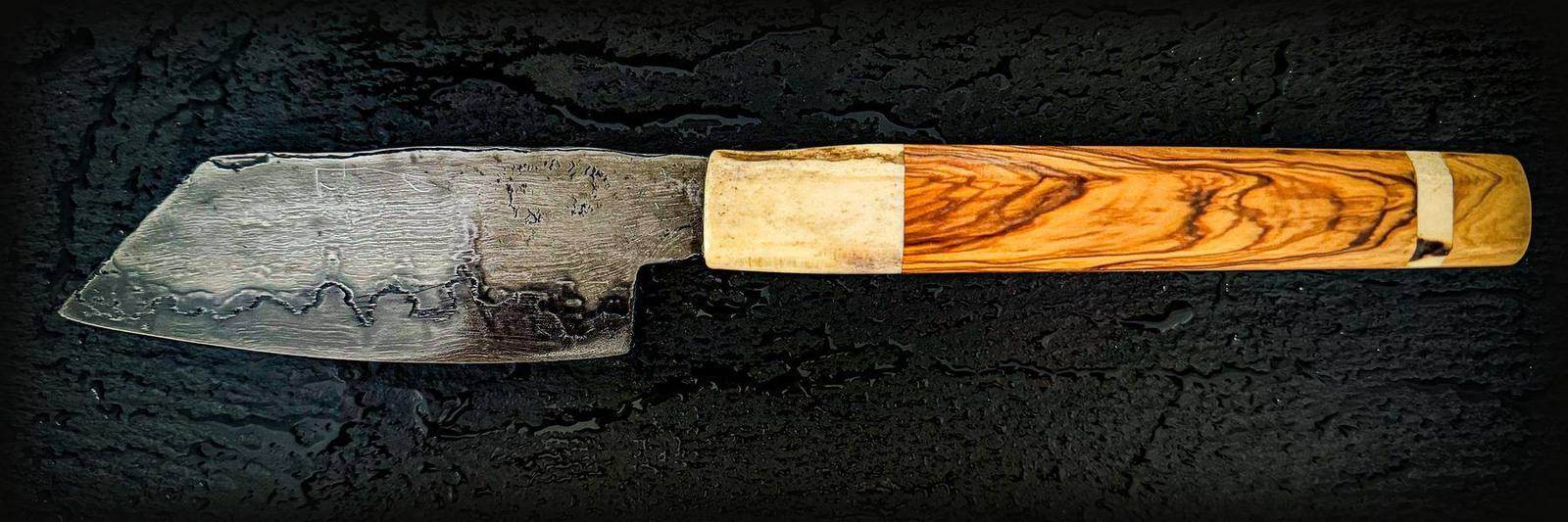
Hokorobi 綻び
Where it comes apart, it begins to bloom.
Aogami · puddled iron · railroad spike · olive wood
-
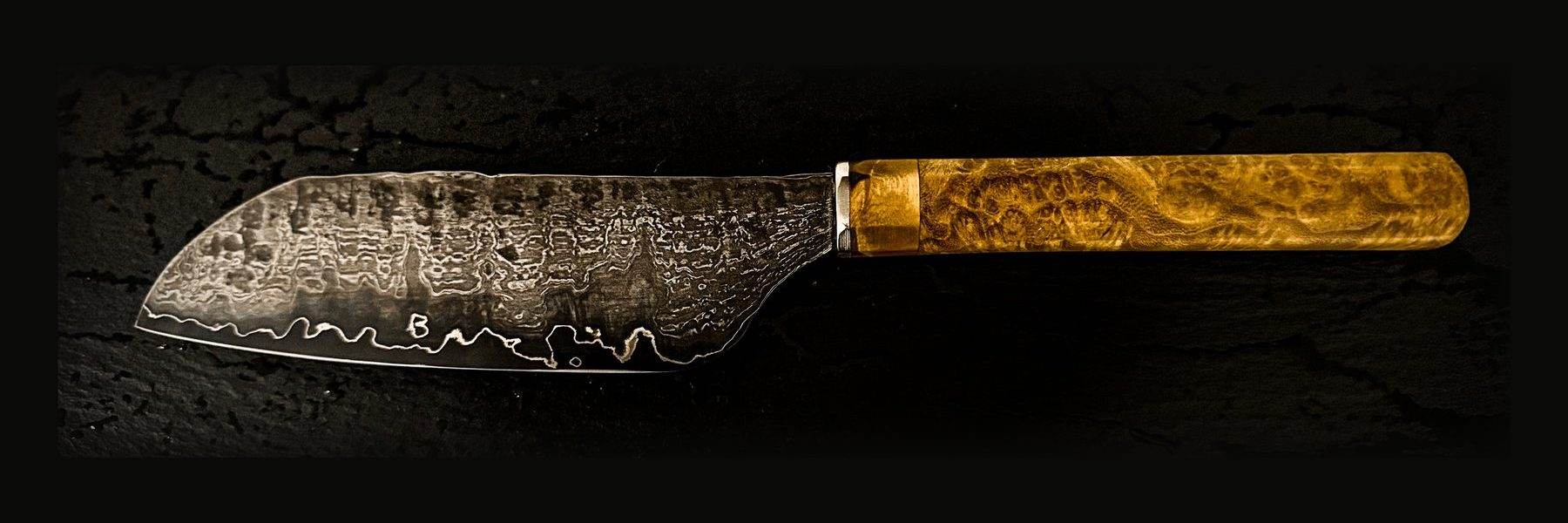
Sanmyaku 山脈
Old iron, new ridges.
Old file · masur birch · Karelia
-
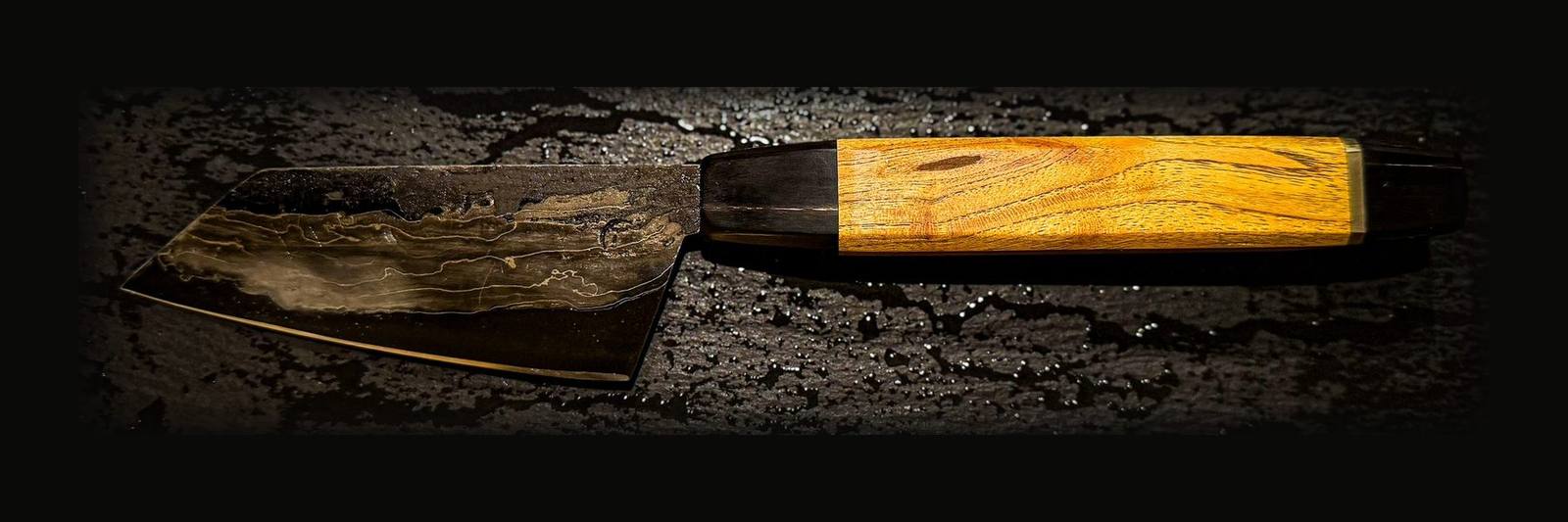
Wadachi 轍
From wheel to blade.
Aogami · Sakai · Random · 25 layers · cherry laurel · my own garden
-
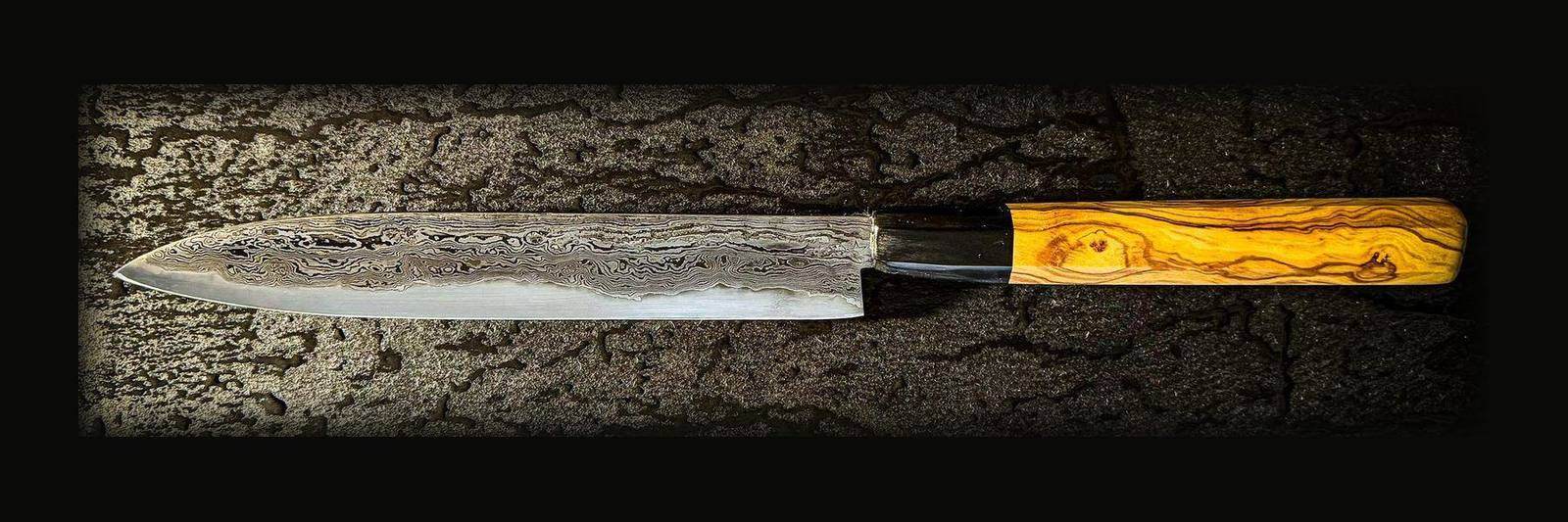
Unkai 雲海
Above the edge lie the clouds.
Aogami · Sakai · Random · 80 layers · olive wood · Tuscany
-
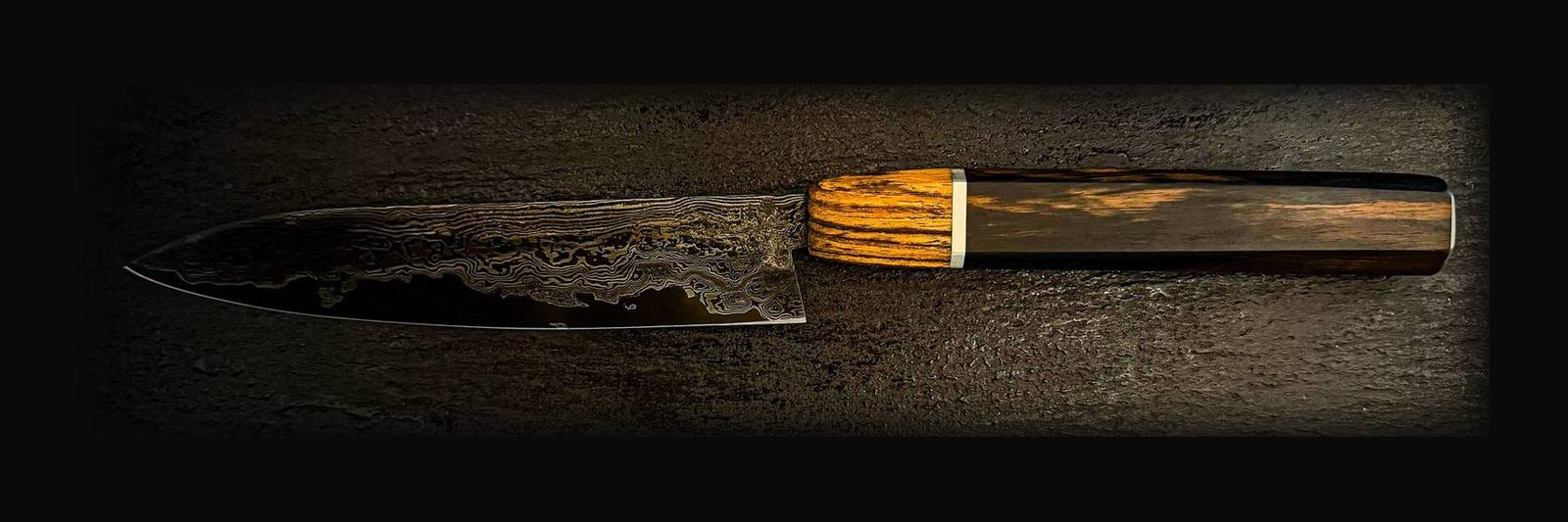
Konami 小波
Even the small wave carries the sea.
Aogami · Sakai · Random · 80 layers · Macassar ebony · zebrawood
-
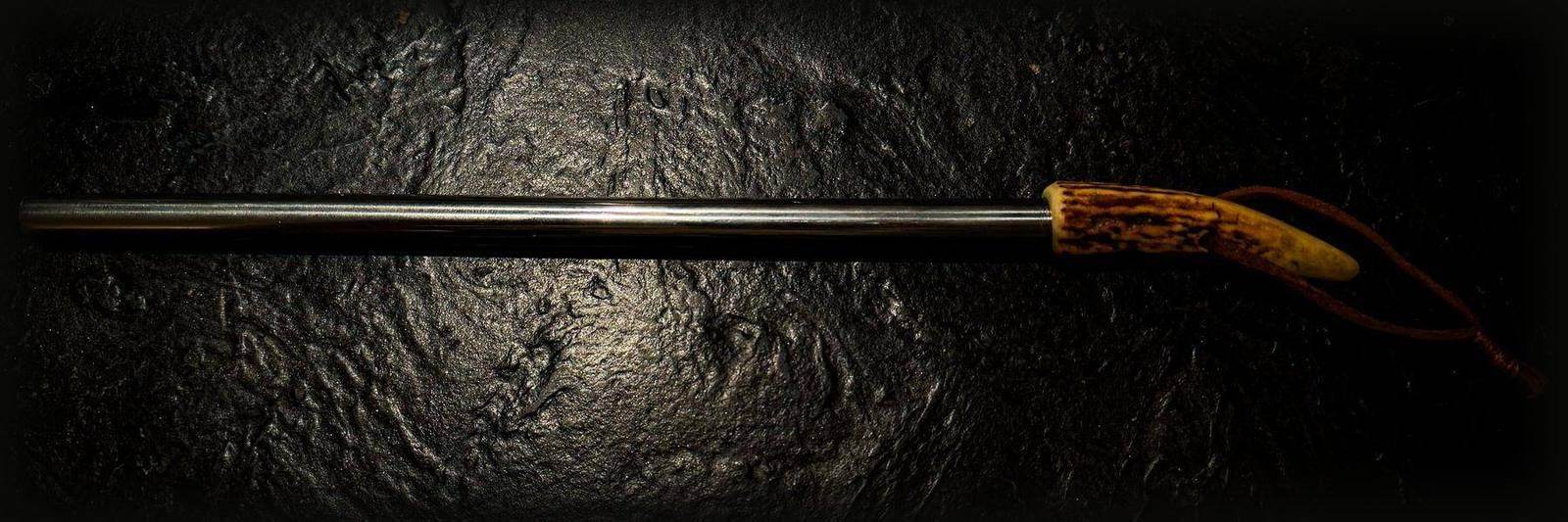
Small honing rod
Straightens what leans – on the road, too.
Bearing steel · red deer · Donnersberg · leather strap by my son
-
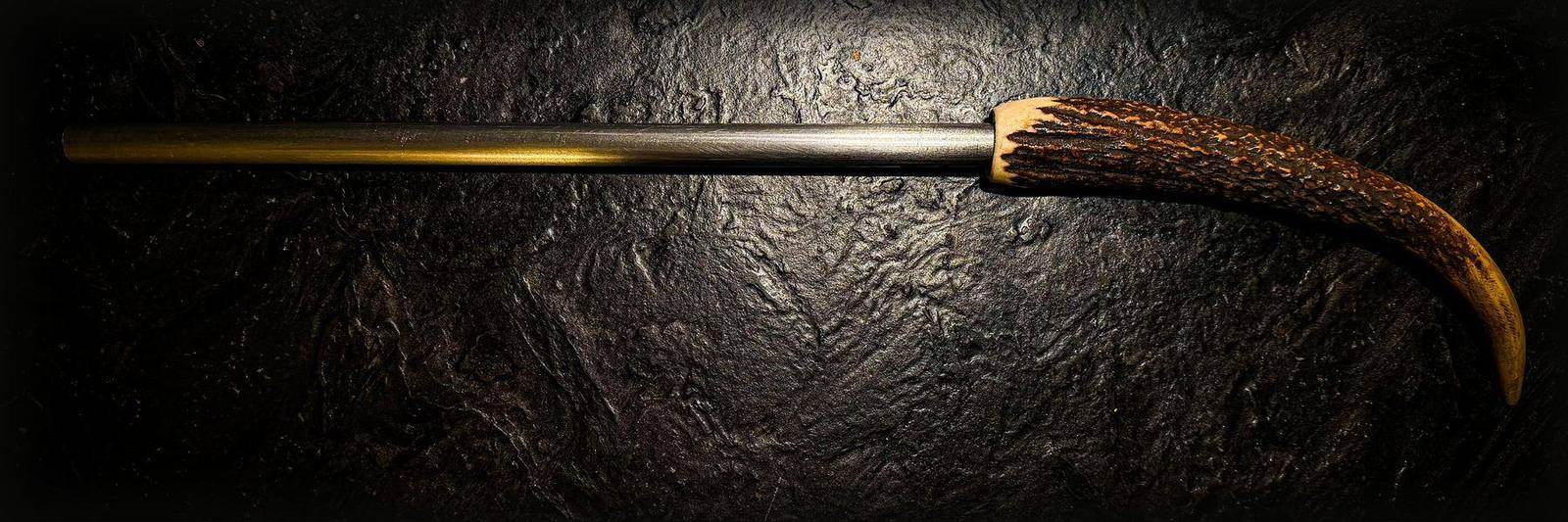
Honing rod
Straightens what leans.
Bearing steel · red deer · Donnersberg
-
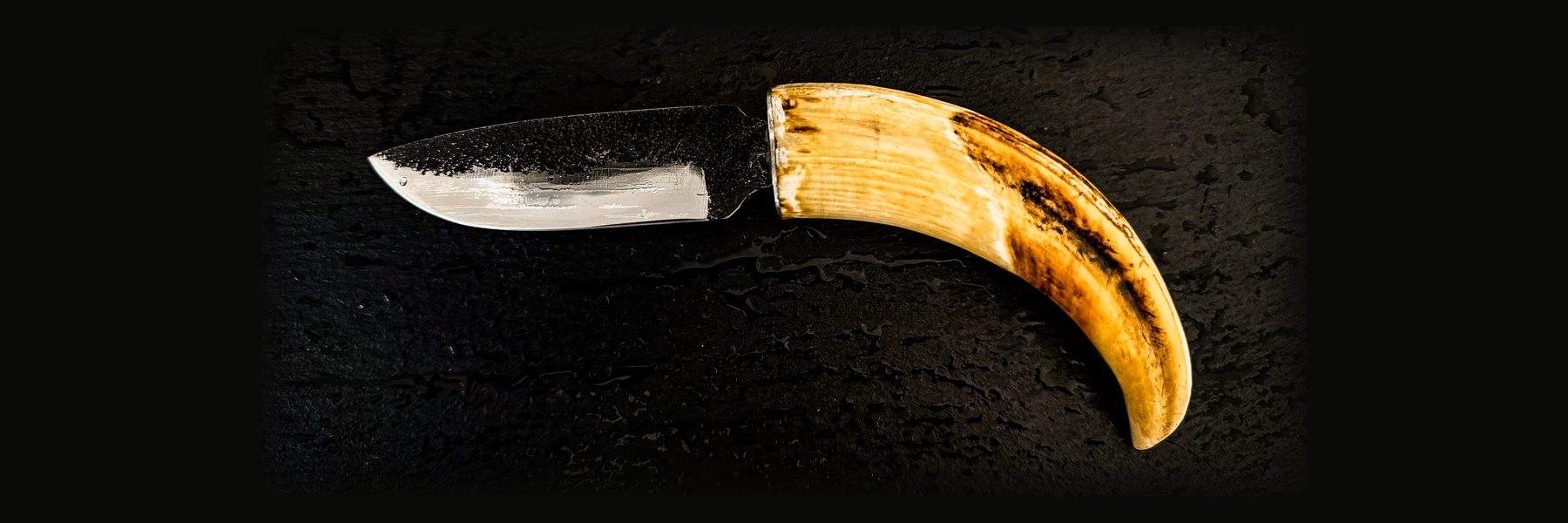
Gullinborsti
What the warthog carried, the blade now carries.
Warthog tusk · Namibia · sheath by my son
-
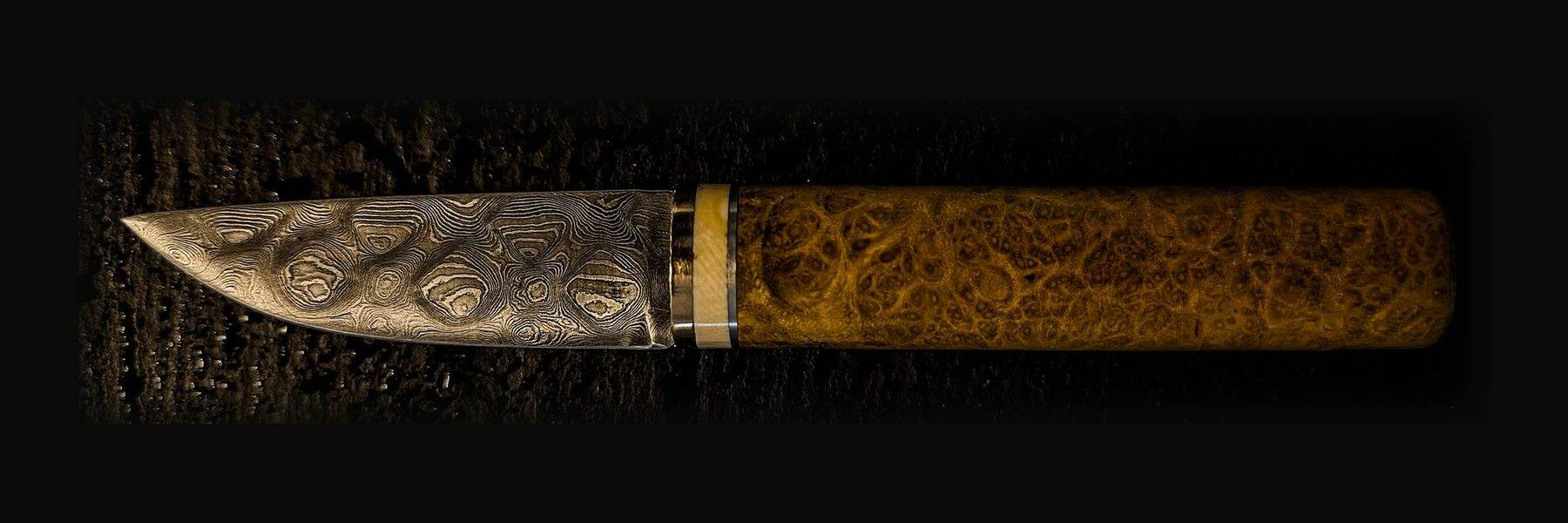
Århringr
Time laid into steel.
Pool and Eye · approx. 250 layers · masur birch · Karelia
-
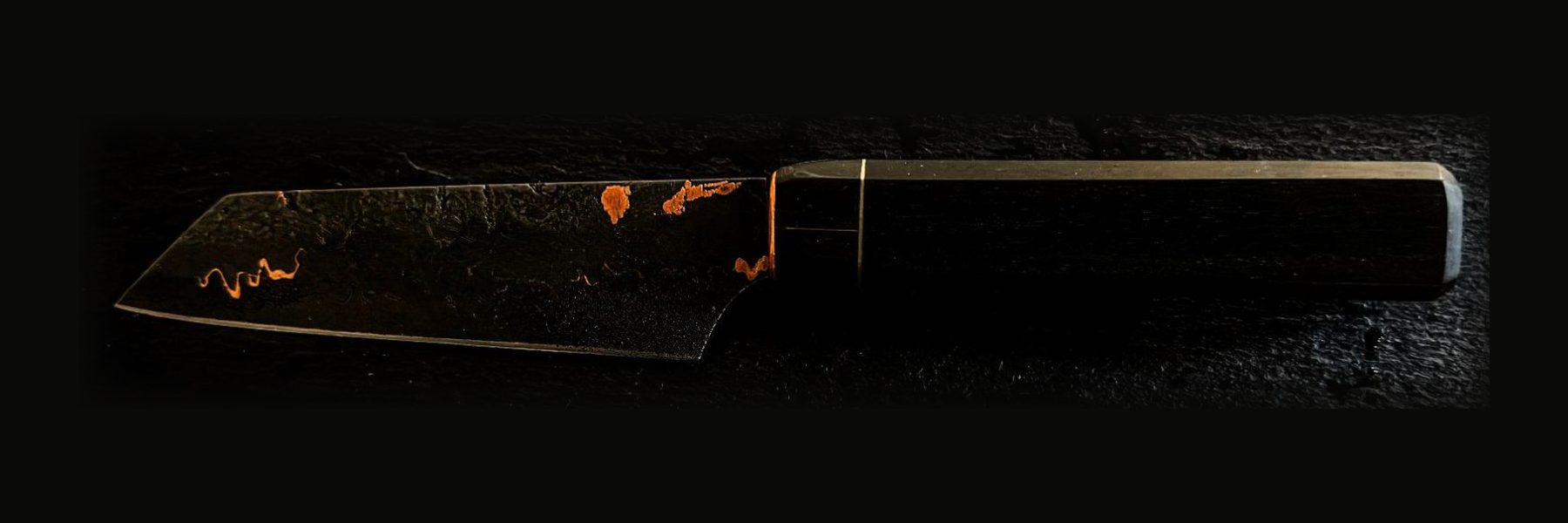
Kuro-Samurai 黒侍
The smith makes no mistakes. Just smaller knives.
Apex Ultra · Random · 25 layers · copper · ebony · water buffalo horn
-
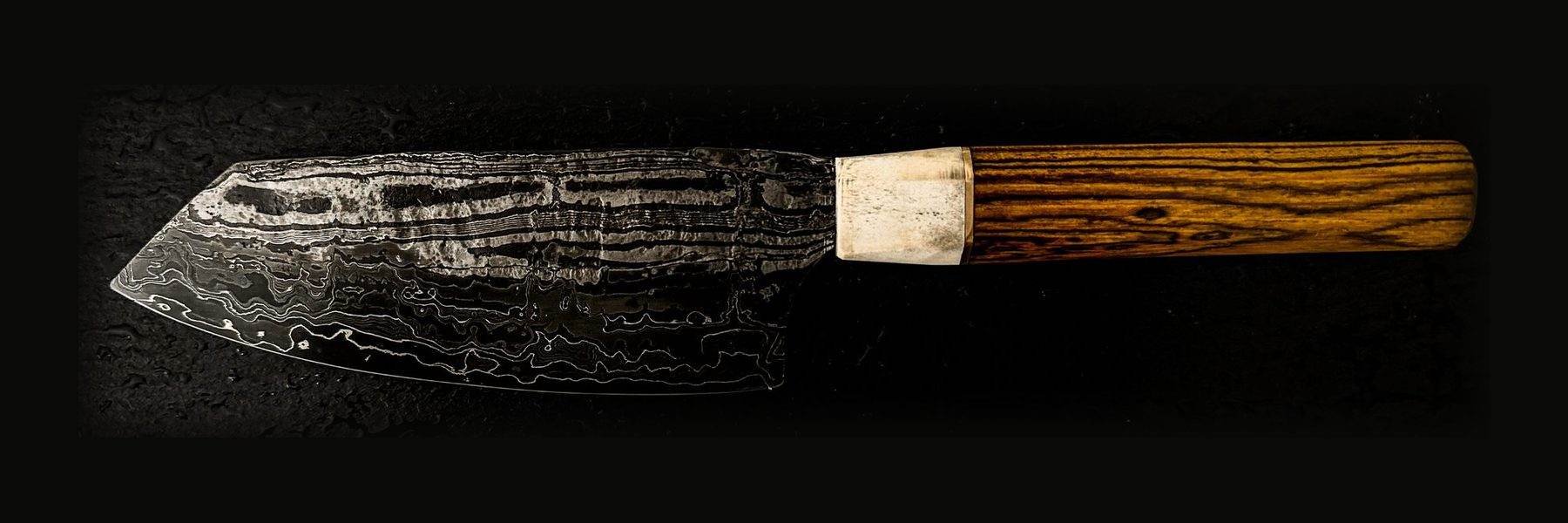
Vargrift
Lines. Strength. Nordic soul.
Old file · Twisted Damascus · 80 layers · zebrawood · deer antler
-
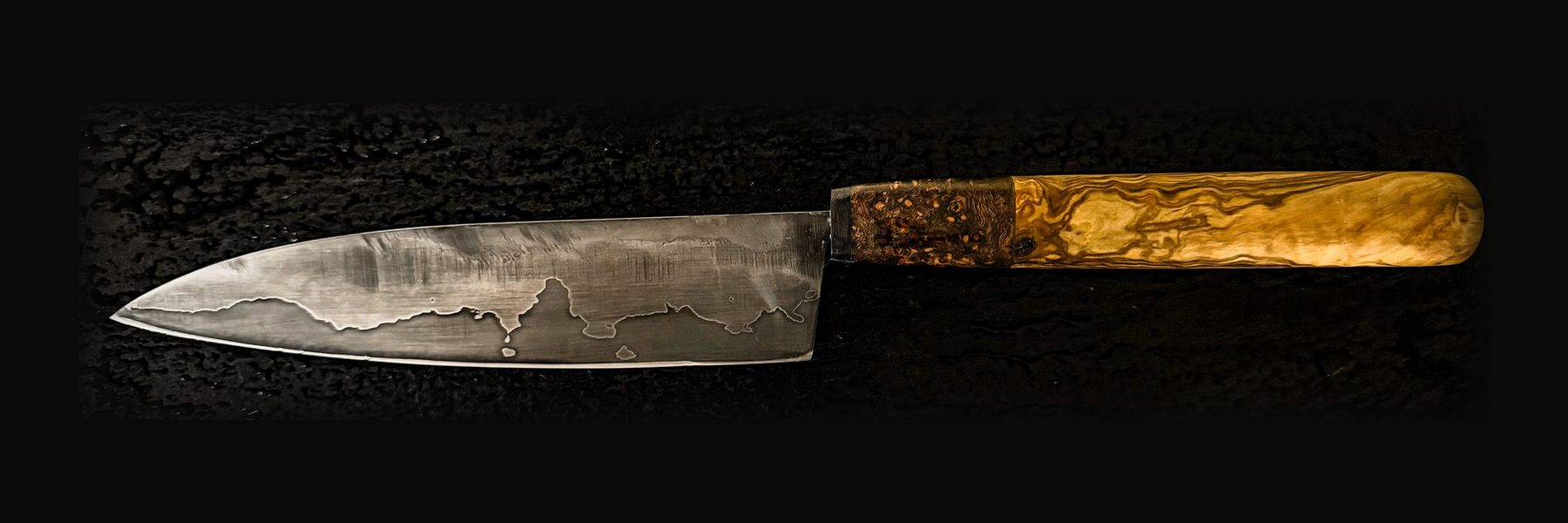
Shiranami 白波
Where steel meets steel, the wave breaks.
Old file · olive wood · thuja · horn
-
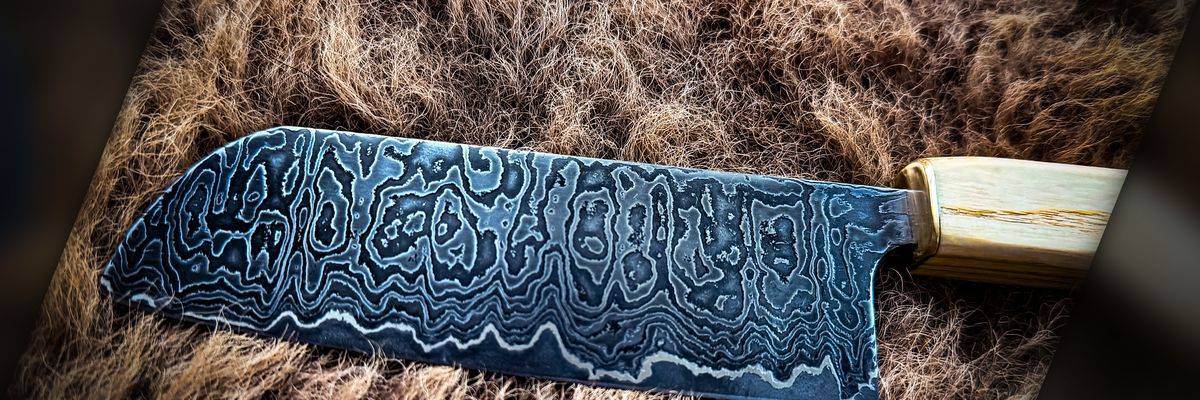
Kizuna 絆
What binds, holds.
Apex Ultra · Damascus · nickel foil · ash
-
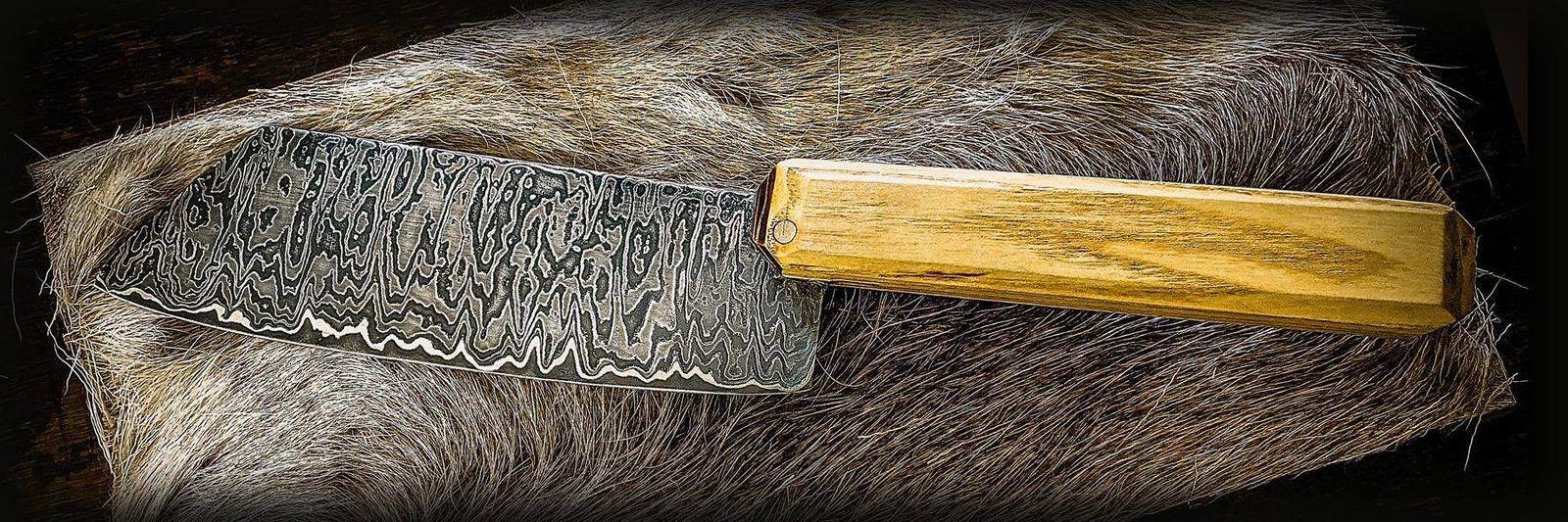
Kasugai 鎹
What holds is more than steel.
Apex Ultra · Random · 60 layers · ash · old canoe seat
The stories behind the story
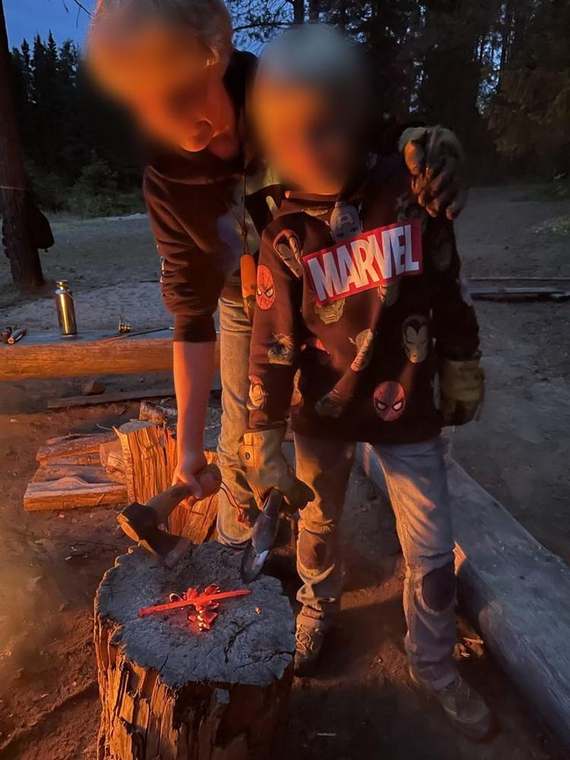 How it all beganFrom a wooden block as an anvil by a Finnish river to the smithy in our own garden.Read more
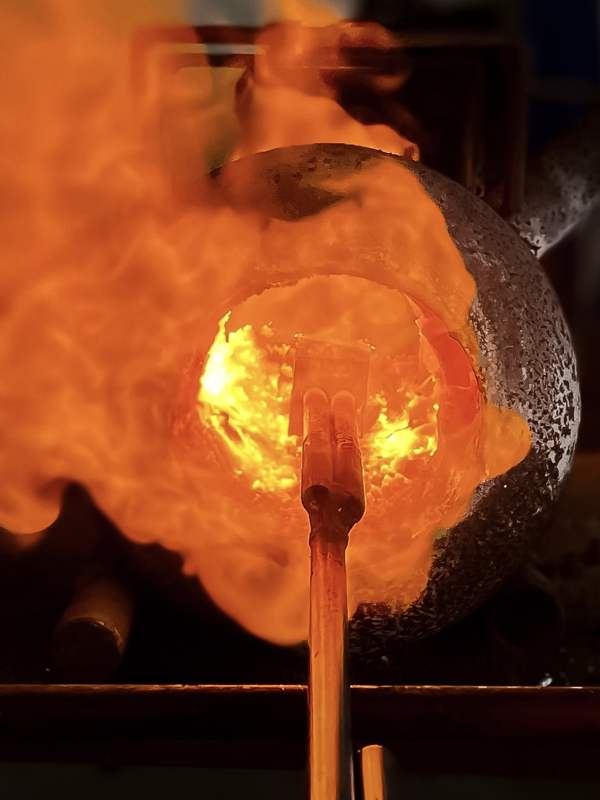 From a forging course to the first usable knivesA Damascus course at fourteen, a coke forge in the garden and plenty of lessons learned the hard way.Read more
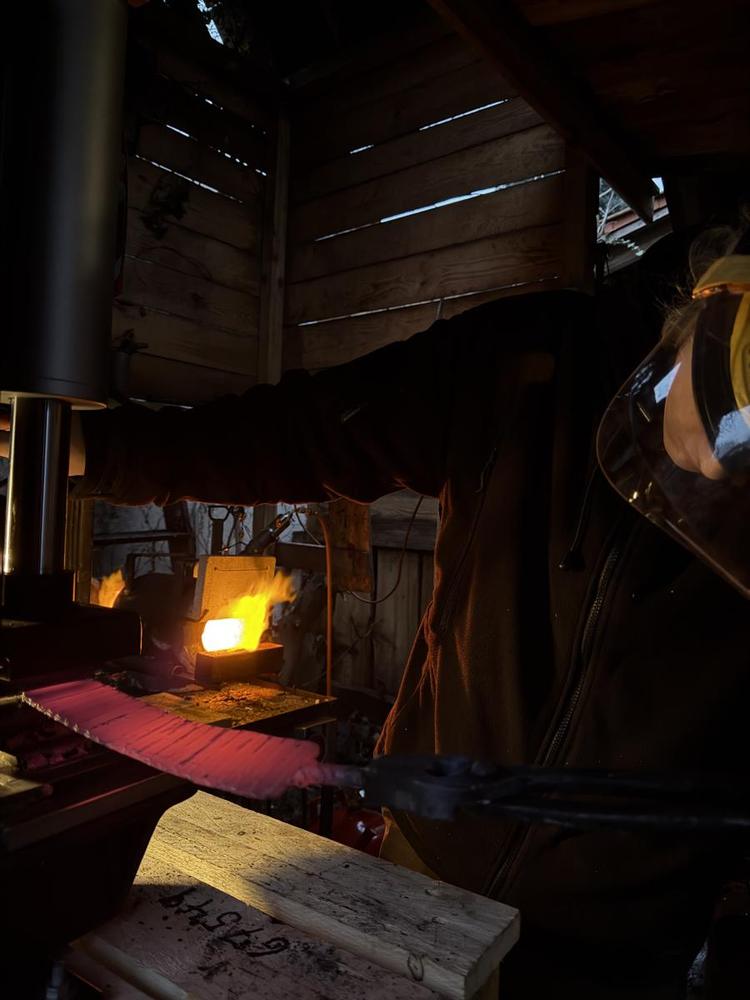 Smithy, workshop and toolsFrom a converted log splitter to a twenty-ton press: how the workshop grew.Read more
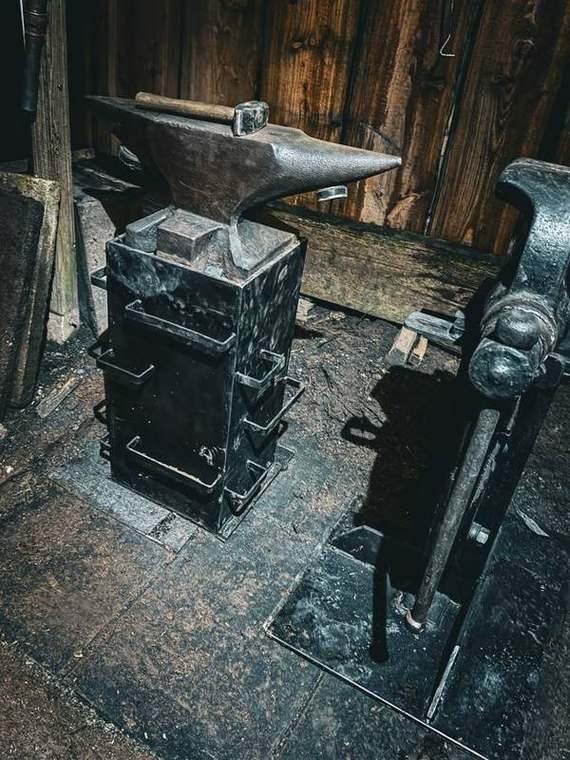 Lots of material from Roland, the smith from SaarlandA heat-treating oven, a former miner and a fully loaded van.Read more
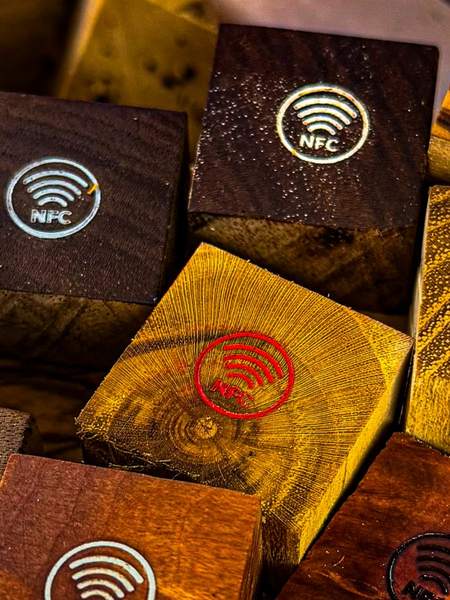 The thing with the NFC chipsWhy there's a chip in every handle and where the red mark on the end of the handle comes from.Read more
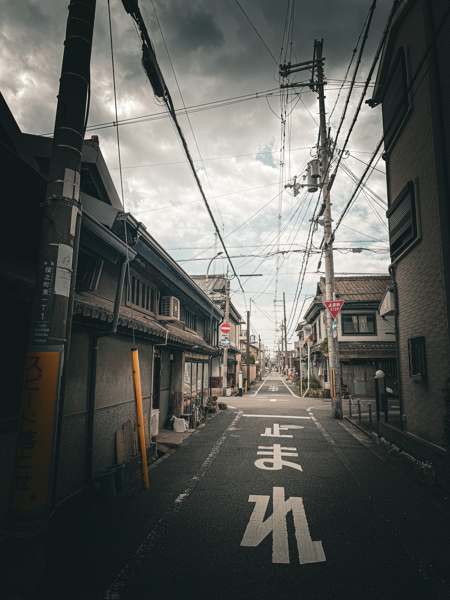 Trip to SakaiAn early morning in Osaka, a letter in Japanese, steel from two forges and, to balance it out, a tackle shop.Read more
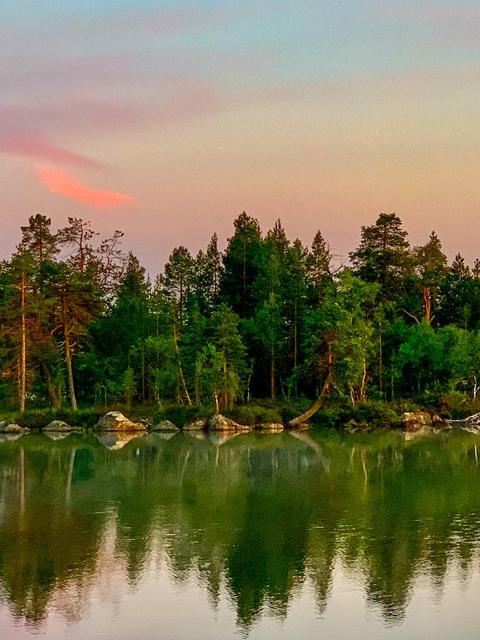 Our adventuresTravels and trips with the family, password protected.Read more
About DR BLADES
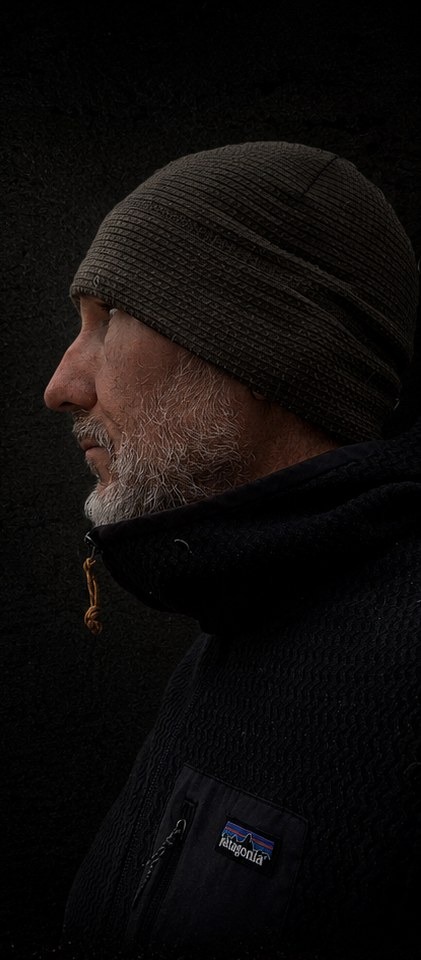
DR are my initials and also stand for my academic degree. The pun was too good to just leave sitting around. As a drug hunter and researcher, I'm fascinated by how a small molecule has to be built so that it does exactly what it should at its biological target, and how, after a lot of optimization, it eventually becomes a drug. Structure determines function. One more or less atom, one bond that is twisted differently, and everything changes.
I find the very same thing at the forge. Here, too, shape and properties determine what a knife can do in the end. Hardly any material can be transformed like steel. The temperature control alone decides whether the same blade turns out soft, hard, too brittle or just right.
I bring many of my materials back from travels and outdoor activities. A rusty axe head found between the rocks on a Norwegian fjord, Aogami and Shirogami from Sakai in Japan, masur birch from Karelia, reindeer and moose antler from Lapland. Others come from our garden or from friends.
Each one carries a piece of history. It shouldn't disappear in the finished knife. The old iron is allowed to look old, the wood to show its wounds. That is exactly what each of my knives tells.
The NFC mark
In the handle of each of my knives there's an NFC chip. The mark stamped into the end of the handle shows you where. Hold your smartphone against it, and the knife's page opens with its story, the steel used, the heat treatment and the hardness.