The story
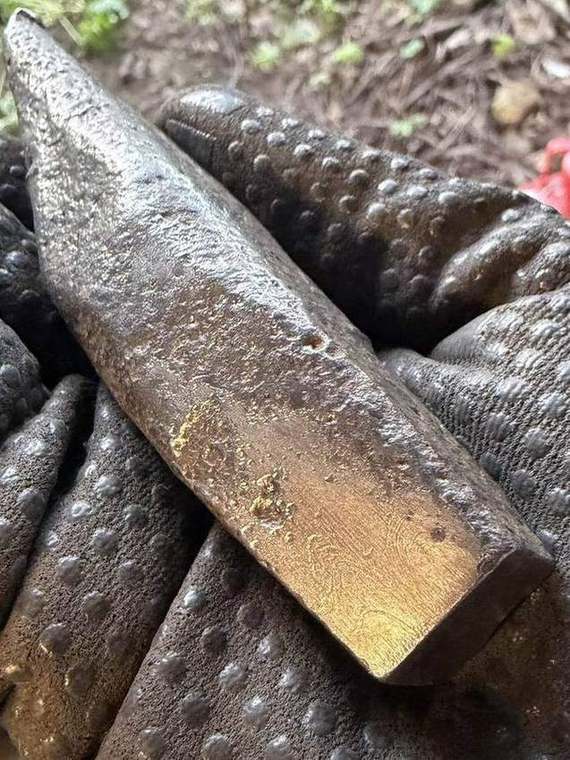
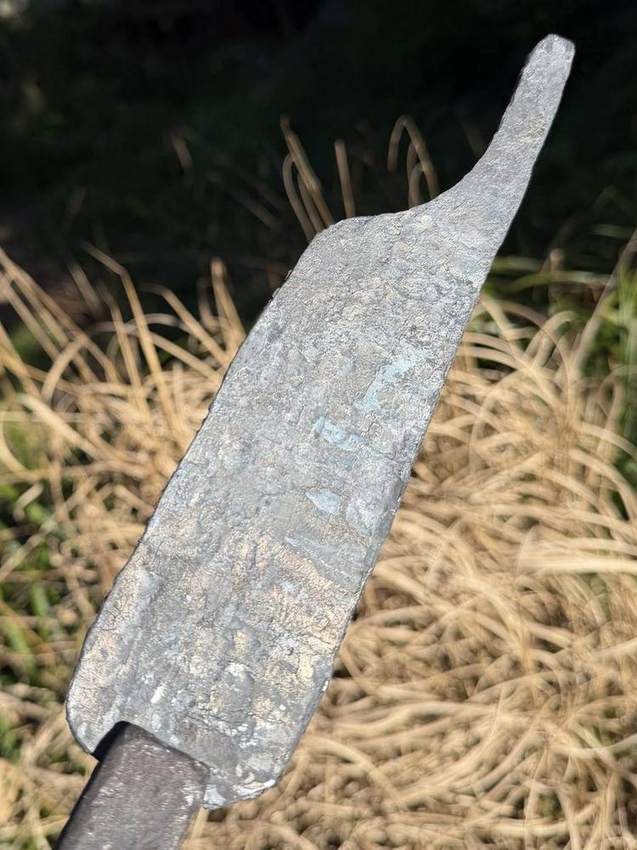
This project began with an unremarkable piece of iron from a box of scrap at the junkyard: rusty, heavy, with a beveled tip. A drift, maybe? Only when I ground into it did it turn out to be puddled iron.
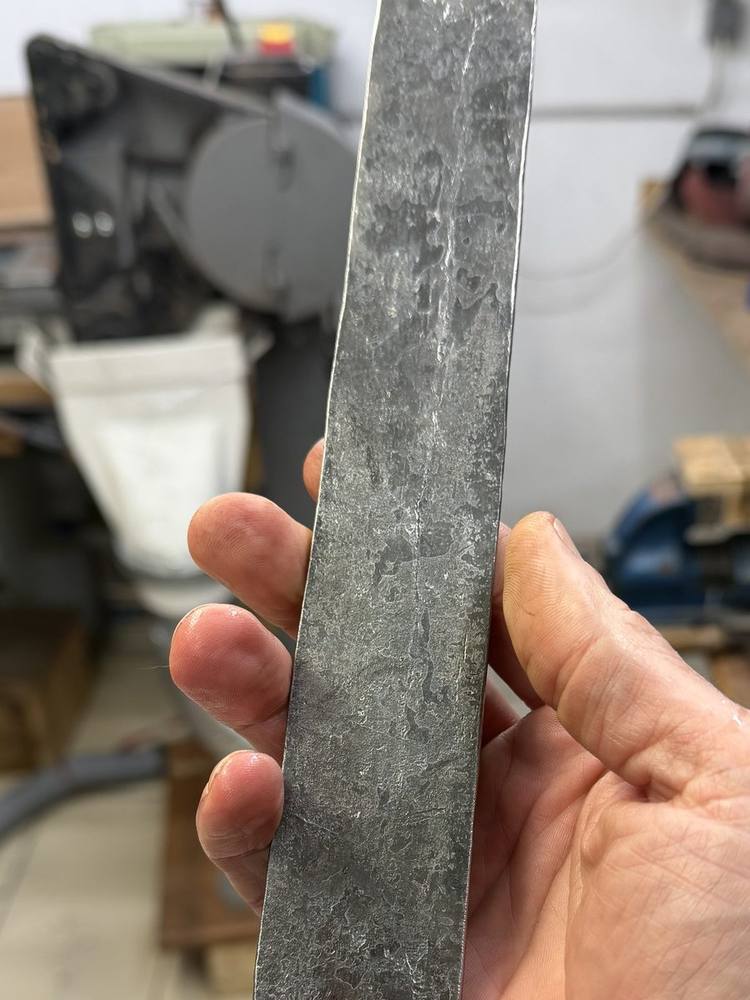
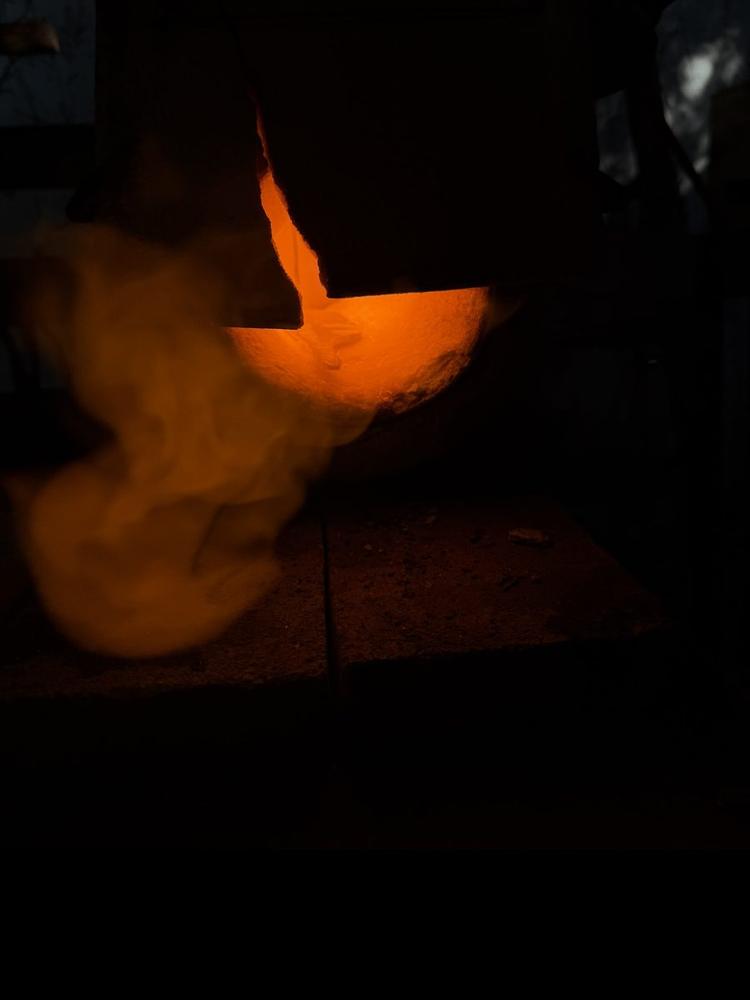
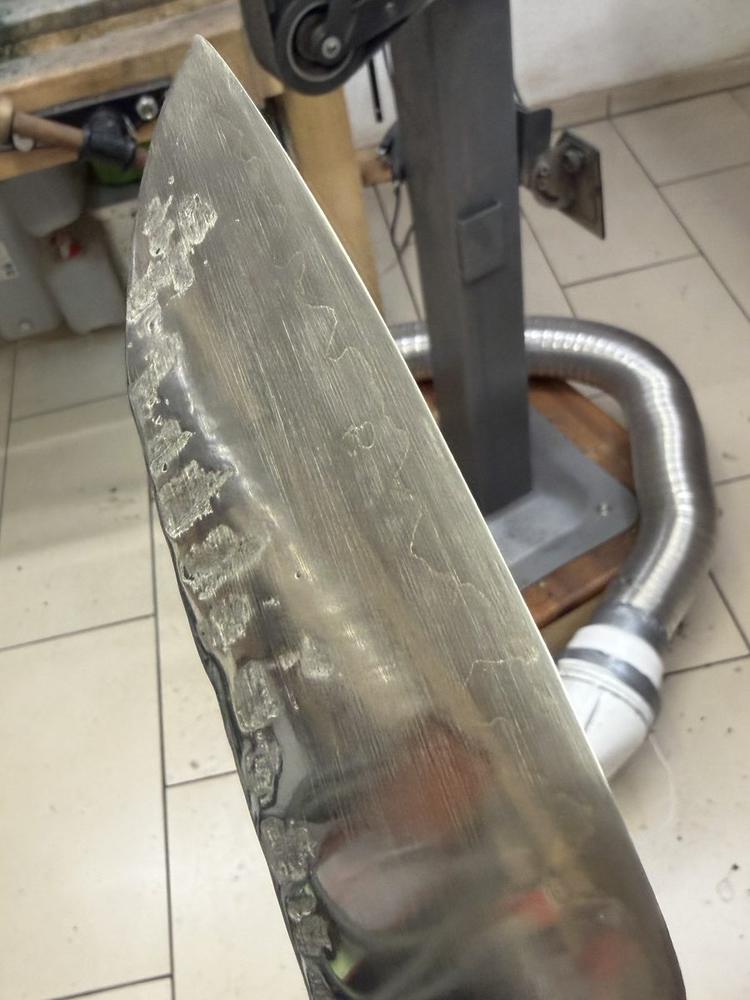
It owes its name to the English “to puddle,” to stir. In the puddling furnace, pig iron was stirred by hand with long iron bars at great heat until a tough mass of iron formed. This was compacted and forged out under heavy hammers. Some of the slag remained in the material. It runs through the iron in fine fibers and gives it its characteristic structure – almost like the grain of wood.
Puddled iron was one of the defining materials of industrialization. Bridges, railways, halls and machines were built from it; the Eiffel Tower in Paris is made of puddled iron, too.
But there is another story behind this material. Puddlers had one of the hardest jobs of early industry. For hours they worked right in front of the glowing furnaces, working the ever-thickening mass of iron by hand with long bars. Extreme heat, physical overload, dust and fumes took their toll. The workers’ life expectancy was low accordingly.
That is exactly why this old iron is more than just a material to me. It carries the traces of how it was made, of its time, and of the people who worked it under brutal conditions. When a piece like this has lasted more than a hundred years, I don’t want to simply melt it down or treat it as scrap. I want to carry its story forward and make something new from it without letting the old disappear.
Left natural
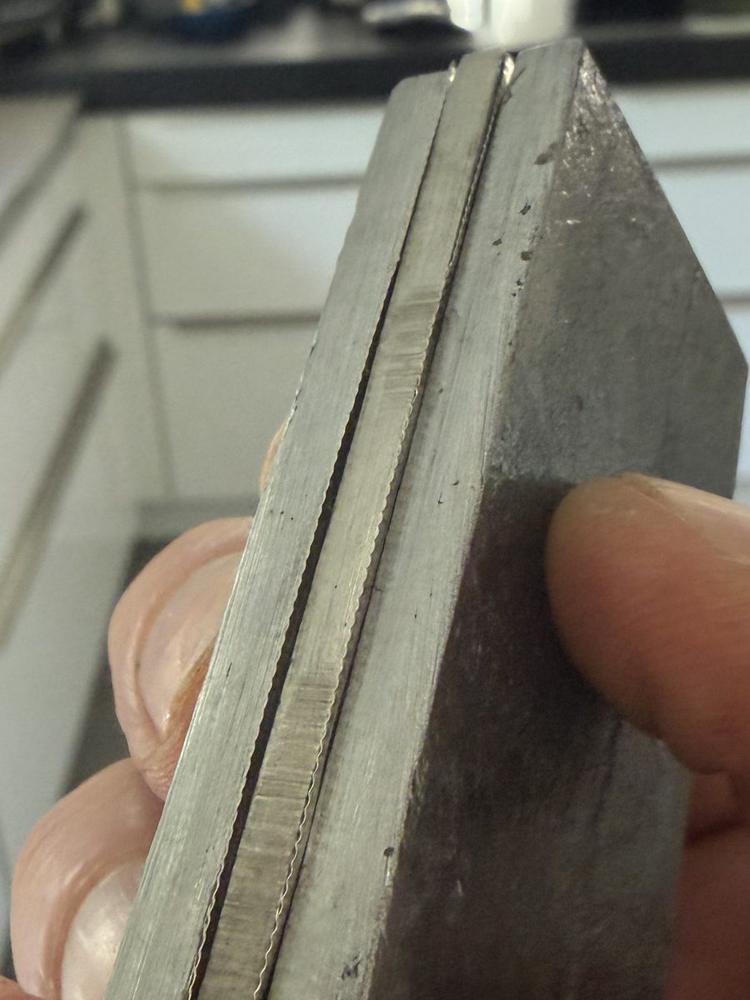
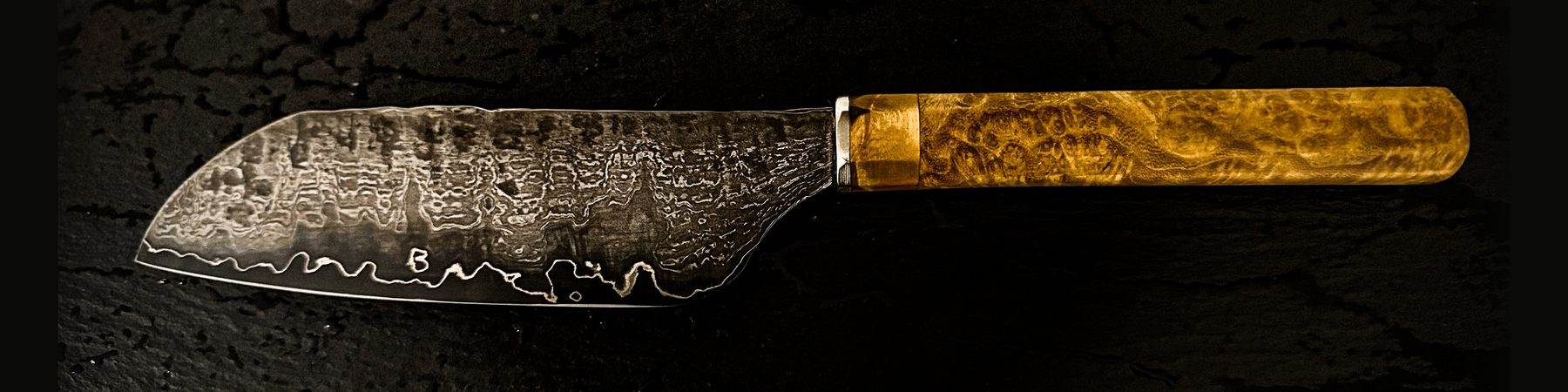
That is why the knife’s lines have stayed natural, too. The spine and choil are not ground, and the forge scale is preserved on the upper part of the blade. Only one line is truly sharp: the edge.
The handle is Karelian curly birch that I brought back from Finland in the summer of 2025, set with nickel silver. The wild structure of the puddled iron is echoed in the restless figure of the wood.